
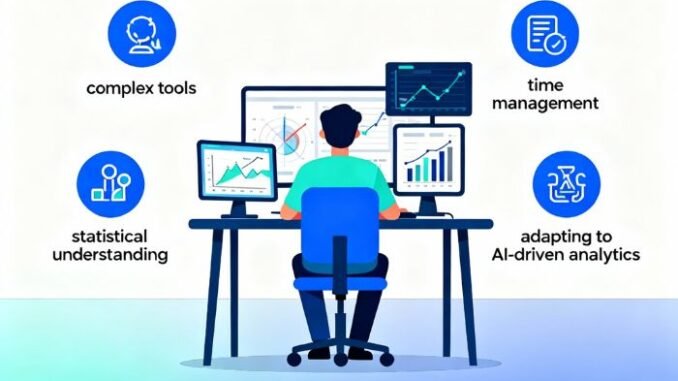
The field of data analytics is expanding rapidly, making Data Analytics Skills one of the most valuable assets in today’s job market. Whether you’re a student, professional, or entrepreneur, learning data analysis can open doors to countless opportunities. However, mastering these skills isn’t easy. Many beginners struggle with complex tools, unclear learning paths, and a lack of practical exposure.
Before diving into these challenges, it’s crucial to consider another related concept—Data Privacy in 2025, an essential part of the analytics landscape that every learner must understand. The foundation of analytics lies in ethical data handling, which makes privacy awareness just as important as technical proficiency.
Why Learning Data Analytics Skills Is Essential in 2025
In 2025, every business, from startups to global corporations, relies on insights derived from data. Having advanced Data Analytics Skills allows you to turn raw information into meaningful actions. Whether it’s understanding consumer behavior, optimizing marketing strategies, or forecasting sales, analytics drives decision-making at every level.
Key reasons why mastering these data analytics skills matters:
- Data-based decision-making increases career opportunities in diverse fields.
- Businesses value employees who can interpret analytics results and suggest data-driven strategies.
- Automated systems and AI rely heavily on analytics, making skill development an investment in the future.
The demand for data-literate professionals will only rise. Building strong analytical foundations today ensures relevance in tomorrow’s workforce.
Top Challenges Faced by Beginners
Learning data analysis comes with several hurdles, especially for beginners stepping into this data-driven world. Let’s break down the most frequent challenges in data analytics skills you might encounter:
- Unclear Learning Path: Many learners start without a structured analytics learning roadmap, leading to confusion between topics like statistics, programming, and data visualization.
- Tool Overload: There are numerous data analytics tools—Excel, Power BI, Tableau, Python, R, and SQL. Beginners often feel overwhelmed selecting the right one.
- Mathematical Fear: Analytical concepts rely on statistical reasoning. For those with limited math backgrounds, topics like regression or probability can seem intimidating.
- Data Quality and Availability: It’s challenging to find clean, real-world datasets for practice, making it harder to develop hands-on application skills.
- Lack of Practical Projects: Theory alone isn’t enough. Many learners struggle to apply what they’ve learned to actual business problems or datasets.
Identifying these pain points is the first step toward overcoming them effectively.
Practical Tips to Overcome Data Learning Barriers
To build strong Data Analytics Skills, you need a clear, actionable learning approach. Here are proven ways to overcome common obstacles and improve your data proficiency:
- Follow a Structured Roadmap: Start with an analytics learning roadmap that defines your path—begin with fundamentals like Excel and statistics, move to SQL and Python, then explore visualization and machine learning.
- Learn by Doing: Apply concepts to datasets early in your journey. Use open repositories such as Kaggle or government portals to test your knowledge through real projects.
- Use the Right Resources: Invest time in online certifications, YouTube tutorials, and blogs. Choose content that matches your pace and skill level.
- Join Data Communities: Engage on Reddit, LinkedIn, or specialized learning groups. Sharing questions accelerates understanding and motivation.
- Handle Data Ethically: Build habits around responsible data use, security practices, and privacy protocols. This ensures integrity in every project you undertake.
- Track Progress Regularly: Consistency is more impactful than intensity. Set weekly learning goals and measure outcomes after every module or project.
These steps not only strengthen your technical expertise but also help you stay focused and confident throughout your analytics learning journey.
Best Tools for Building Analytics Expertise
Selecting the right data analytics tools is crucial for mastering this dynamic field. Here’s a quick overview of some must-learn platforms:
- Microsoft Excel: Perfect for foundational learning and quick data visualizations.
- SQL: Helps you manage, query, and organize large data sets with accuracy.
- Python and R: Strong options for data analysis, modeling, and automation.
- Tableau and Power BI: Industry favorites for transforming data into visually appealing dashboards.
- Google Data Studio: A great free tool for digital marketers and small businesses to visualize performance metrics.
Start with user-friendly interfaces, and gradually move toward advanced tools as your comfort level grows.
Final Thoughts
Mastering Data Analytics Skills requires patience, persistence, and practice. Every challenge is a stepping stone toward becoming a confident, industry-ready data analyst. Remember that consistency is more powerful than perfection. If you keep learning, experimenting, and exploring, your progress will naturally follow.
By facing the challenges in data analytics head-on and nurturing curiosity, you’ll not only gain technical expertise but also shape a mindset ready for future innovation. Start small—analyze a dataset, visualize a trend, or automate a simple process. Each project refines your understanding and boosts your confidence.
If you’re passionate about continuous learning, explore more insightful guides and updates on Our homepage. SEOShastra is dedicated to helping learners and professionals like you improve data analytics skills, achieve measurable growth, and thrive in the world of data-driven success.
Take the first step today and unlock the true power of data.
Leave a Reply