
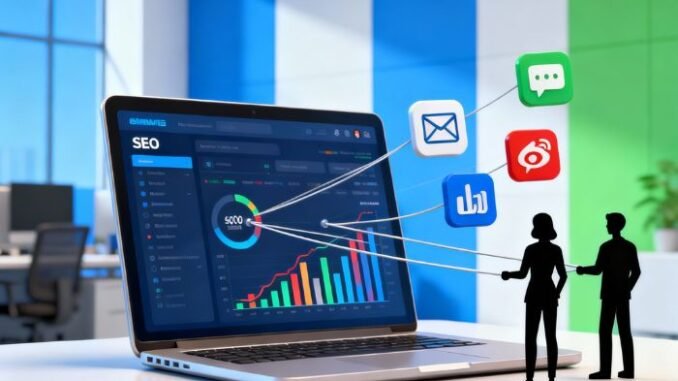
In today’s digital-driven world, businesses are shifting their focus from interruptive advertising to customer-centric approaches. Inbound Marketing Strategies in 2025 are helping brands win loyal customers by delivering value through content, engagement, and personalization. Unlike traditional push marketing, inbound techniques focus on attracting audiences organically. When combined with modern practices like Paid SEO in 2025, this approach creates a balanced roadmap for growth, ensuring businesses can both attract and retain customers effectively.
Table of Contents
- Introduction
- What is Inbound Marketing?
- Why Inbound Marketing Matters in 2025
- Key Elements of a Successful Inbound Marketing Strategy
- Inbound vs Outbound Marketing: The Difference
- How Inbound Marketing Boosts Lead Generation and SEO
- Best Tools and Platforms for Inbound Marketing
- Common Mistakes to Avoid
- Future of Inbound Marketing with AI and Automation
- Conclusion
What is Inbound Marketing?
Before diving into strategies, let’s understand the inbound marketing definition. Inbound marketing is about attracting customers through valuable content and experiences, rather than pushing messages at them. Unlike cold calls or pop-up ads, inbound focuses on:
- Content marketing to educate and inform
- SEO optimization to attract organic traffic
- Personalization to create better customer experiences
Some powerful inbound marketing examples include blog articles, eBooks, SEO-optimized content, social media engagement, and webinars. Every element works to guide prospects into the inbound marketing funnel, which typically consists of:
- Attracting visitors with content
- Engaging them through valuable offers
- Converting leads into customers
- Building long-term loyalty
Why Inbound Marketing Matters in 2025
Consumer habits are evolving fast, and with growing reliance on digital platforms, inbound becomes more crucial than ever. Here’s why:
- Customers now research before purchasing, preferring brands that deliver authentic content.
- AI-driven personalization creates tailored buyer experiences.
- Privacy-conscious audiences block intrusive ads, making inbound a natural alternative.
- Inbound delivers compounding results over time, multiplying brand visibility.
In short, businesses investing in inbound gain sustainable growth and stronger authority in their industries.
Key Elements of a Successful Inbound Marketing Strategy
For 2025, successful inbound strategies go beyond just blogging or SEO. A well-rounded approach includes:
Content Marketing Strategy
- Creating blogs, infographics, and videos that solve customer problems.
- Mixing long-form evergreen guides with short, engaging reels or posts.
SEO Optimization
- Focusing on user intent SEO by answering real buyer queries.
- Optimizing content for voice search and mobile-first indexing.
Social Media Engagement
- Using social platforms for storytelling and community building.
- Leveraging short-form video trends to engage younger audiences.
Email & Marketing Automation
- Sending personalized email sequences based on buyer behavior.
- Automating drip campaigns to nurture leads.
Inbound vs Outbound Marketing: The Difference
While inbound attracts customers naturally, outbound interrupts them with promotions. Here’s a quick comparison:
| Inbound Marketing | Outbound Marketing |
| Customer-focused | Brand-focused |
| Builds trust through content | Relies on ads & cold outreach |
| Long-term results | Short-term visibility |
| Cost-effective over time | More expensive |
Outbound still has its place, but in 2025, inbound delivers higher ROI and stronger brand equity.
How Inbound Marketing Boosts Lead Generation and SEO
One of the greatest benefits of inbound marketing is its ability to generate quality leads while improving search rankings. A clear strategy can:
- Attract organic visitors through targeted blog content.
- Convert them using lead magnets like eBooks or free trials.
- Use SEO-backed content to rank higher and drive sustainable traffic.
- Build trust, encouraging repeat purchases and long-term engagement.
Inbound not only strengthens lead generation but also supports overall digital visibility.
Best Tools and Platforms for Inbound Marketing
In 2025, technology is central to inbound success. Some of the best inbound marketing tools include:
- HubSpot – all-in-one for CRM, automation, and analytics.
- SEMrush – keyword tracking, competitor insights, and SEO optimization.
- Canva – design tool for social media graphics & infographics.
- Mailchimp – powerful email marketing and automation platform.
- Hootsuite – advanced social media scheduling and monitoring.
Common Mistakes to Avoid
Even great strategies can fail if you overlook these pitfalls:
- Creating content without understanding your target audience.
- Ignoring SEO best practices.
- Overloading automation without personalization.
- Neglecting data analysis and content performance tracking.
Avoiding these ensures your inbound marketing campaigns deliver maximum impact.
Future of Inbound Marketing with AI and Automation
Heading into the future, AI will transform how brands attract and engage customers. Expect innovations like:
- Predictive content recommendations powered by AI.
- Smarter chatbots offering instant customer support.
- Deep personalization based on buyer intent data.
- Automated workflows simplifying repetitive tasks.
In 2025 and beyond, inbound combined with AI ensures brands remain audience-first, sustainable, and innovative.
Conclusion
Inbound marketing continues to be the smartest way to grow in 2025. By combining content, SEO, personalization, and AI, businesses can attract, engage, and retain loyal customers without relying solely on ads. At SEOShastra, we help brands craft powerful campaigns that drive sustainable results. To see how our strategies work, explore our homepage and start building meaningful connections with your audience today.
Leave a Reply