
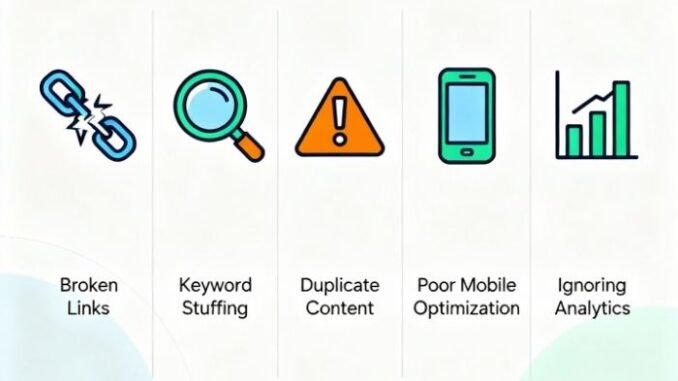
Organic Search Marketing remains one of the most sustainable and cost-effective strategies to drive consistent website traffic, leads, and conversions. In 2025, when digital competition is fiercer than ever and Google’s algorithm updates come faster than before, mastering the art of organic SEO is non-negotiable for every business. As a key component of a successful Search Engine Digital Marketing strategy, optimizing for organic search helps brands build long-term authority, attract quality audiences, and maximize ROI without continuous ad spend.
Organic Search Marketing is the process of optimizing your website to appear prominently in unpaid search engine results. Unlike paid ads, which stop delivering results once you stop spending, organic visibility builds durable authority and credibility. However, many marketers unknowingly commit mistakes that sabotage their efforts, hurting both rankings and return on investment.
In this blog post, we’ll uncover the five most common mistakes businesses make in their Organic Search Marketing campaigns—and practical steps to avoid them.
Table of Contents
- Mistake #1: Ignoring Keyword Intent
- Mistake #2: Overlooking Technical SEO
- Mistake #3: Building Low-Quality Backlinks
- Mistake #4: Neglecting Mobile Optimization
- Mistake #5: Failing to Align with Google Algorithm Updates
- Key Takeaways: Strengthen Your Organic Search Marketing Strategy
Mistake #1: Ignoring Keyword Intent
What It Means
Keyword research forms the foundation of every Organic Search Marketing campaign. Yet, one of the biggest mistakes marketers make is focusing solely on search volume rather than understanding keyword intent—the “why” behind a user’s search.
For example:
- A user searching “what is SEO” seeks information (informational intent).
- Someone typing “best SEO services near me” is ready to buy (transactional intent).
Why It Hurts Visibility
When your content doesn’t match the intent, visitors quickly bounce off your site, signaling to Google that your page isn’t providing relevant value. High bounce rates, low time-on-page, and poor engagement directly impact keyword rankings and visibility.
Solution
- Research User Intent: Segment your keywords by informational, navigational, and transactional types.
- Optimize Content Accordingly:
- For informational queries — publish blogs, guides, and how-tos.
- For transactional intent — craft persuasive landing pages.
- Use Tools Wisely: Tools like Google Search Console, SEMrush, or Ahrefs can reveal which keywords already drive engagement.
Understanding user motivation transforms your keyword strategy from random ranking attempts to targeted traffic generation, significantly improving your organic SEO performance.
Mistake #2: Overlooking Technical SEO
What It Means
Even the most engaging content won’t rank if your website underperforms technically. Technical SEO ensures that search engines can crawl, index, and interpret your site effectively.
Common technical oversights include:
- Slow page loading speed
- Broken links or redirect chains
- Poor site architecture
- Missing XML sitemaps or robots.txt misconfigurations
Why It Hurts Visibility
Technical issues block crawlers from properly accessing or understanding your content. A slow site or endless redirect loops create poor user experiences, leading to reduced dwell time and lower rankings in search engine results.
Solution
- Improve Page Speed: Compress images, use lazy loading, and leverage browser caching.
- Secure Your Site: Always use HTTPS encryption.
- Fix Crawl Errors: Regularly check Google Search Console for coverage issues.
- Enhance Site Structure: Use a logical hierarchy with internal links and header tags that reflect your content organization.
Prioritizing technical SEO ensures your website is not just optimized for users but also search engines—laying the groundwork for long-term Organic Search Marketing success.
Mistake #3: Building Low-Quality Backlinks
What It Means
Backlinks remain one of the top SEO ranking factors. They act as digital votes of confidence for your content. However, not all backlinks are equal. Many marketers fall into the trap of mass-creating low-quality or irrelevant links to boost rankings quickly.
Examples of low-quality backlinks:
- Links from spammy websites
- Paid link exchanges
- Excessive directory or comment links
Why It Hurts Visibility
Google’s algorithm is smarter than ever. It can easily identify manipulative link-building techniques. Instead of boosting your credibility, low-quality backlinks can trigger penalties or result in ranking drops.
Solution
- Focus on Quality over Quantity: Earn backlinks from reputable publications, niche blogs, or industry communities.
- Create Link-Worthy Content: Publish original research, infographics, or case studies that naturally attract citations.
- Disavow Toxic Links: Regularly audit your backlink profile using SEO tools and disavow harmful links through Google Search Console.
Building an ethical link building strategy strengthens your site’s authority while aligning with Google’s guidelines—key for sustainable Organic Search Marketing growth.
Mistake #4: Neglecting Mobile Optimization
What It Means
With mobile devices accounting for over 60% of global web traffic, mobile optimization is no longer optional. It’s a central part of search engine optimization today. Yet many brands still create websites that display well on desktops but fail on smartphones or tablets.
Why It Hurts Visibility
Google now follows a mobile-first index, meaning it primarily evaluates your site’s mobile version for ranking. A non-responsive or slow-loading mobile site can directly lower your search visibility and frustrate users.
Solution
- Adopt Responsive Design: Ensure pages automatically adjust across different screen sizes.
- Boost Mobile Speed: Use AMP (Accelerated Mobile Pages), compress visuals, and test speed via Google’s PageSpeed Insights.
- Simplify Navigation: Create clear, thumb-friendly buttons and concise menus.
By prioritizing mobile UX, you’ll not only comply with modern SEO best practices but also enhance conversions—since mobile users often act faster on intent-driven queries.
Mistake #5: Failing to Align with Google Algorithm Updates
What It Means
Search algorithms evolve regularly, impacting how content is ranked. Many marketers stick to outdated Organic Search Marketing strategies—like keyword stuffing or ignoring content freshness—without adapting to new algorithmic changes.
Why It Hurts Visibility
If your SEO strategy doesn’t reflect current ranking signals, you risk losing visibility overnight. For instance:
- Core updates often prioritize content relevance and authority.
- Spam updates penalize manipulative SEO practices.
Ignoring these updates can cause your organic traffic and credibility to plummet.
Solution
- Stay Informed: Follow reliable SEO news sources and Google Search Central updates.
- Continuously Audit Content: Refresh old posts, update statistics, and optimize meta descriptions regularly.
- Embrace E-E-A-T Principles: Focus on Experience, Expertise, Authoritativeness, and Trustworthiness in your content.
By continuously adapting your strategy to align with Google algorithm updates, you future-proof your Organic Search Marketing and maintain stability in search performance.
Key Takeaways: Strengthen Your Organic Search Marketing Strategy
Avoiding these five mistakes is the key to building a resilient and data-driven Organic Search Marketing strategy in 2025. The digital landscape keeps evolving, but the fundamentals remain the same—understand your users, create valuable content, and refine technical aspects.
Here’s how to stay ahead:
- Focus on keyword intent to attract relevant, high-converting traffic.
- Strengthen your technical SEO foundation to ensure smooth crawling and indexing.
- Build backlinks organically from trusted domains.
- Optimize for mobile-first indexing to capture the growing mobile audience.
- Adapt continually to algorithm changes to maintain long-term search stability.
When approached strategically, Organic Search Marketing becomes more than just a ranking tactic—it becomes a growth engine that fuels visibility, builds authority, and enhances ROI. For deeper learning and expert insights on the latest strategies in search engine optimization, explore professional resources such as SEOShastra, which offers in-depth guidance for scaling your digital presence effectively.
Now is the time to re-evaluate your current strategy, fix existing gaps, and prepare your business for the next digital evolution.
Leave a Reply