
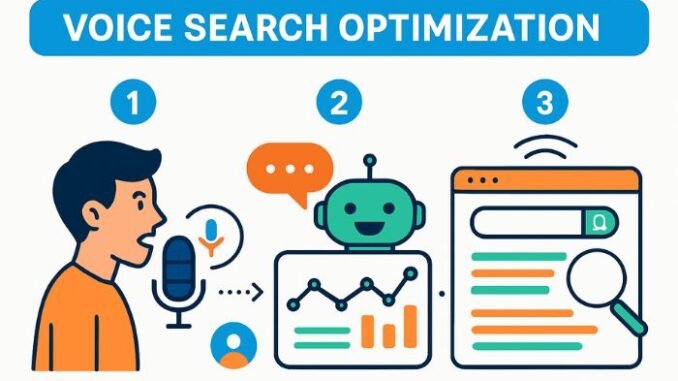
The world of search is rapidly evolving, and one of the most significant shifts we are witnessing is the rise of Voice Search Optimization. With the growing use of digital assistants like Alexa, Siri, and Google Assistant, users no longer just type queries—they speak them. For businesses, this means adapting strategies to stay visible in the changing SEO landscape. Just like brands are exploring Micro-Influencer Marketing to build better connections, optimizing for voice-driven searches has also become essential for digital success.
The Rise of Voice Search
Voice search has moved from being a novelty to becoming a mainstream way of seeking information. According to industry studies, more than half of smartphone users now use voice search daily for quick answers, local business queries, or even online shopping. The convenience of speaking instead of typing has made it a preferred method, especially when multitasking or searching on the go.
As adoption continues, voice search SEO is no longer optional but a vital consideration for any successful digital marketing strategy.
Why Voice Search Matters for SEO
Voice search changes the way people interact with search engines. Instead of short, keyword-based queries like “best pizza New York,” users now frame conversational questions such as “Where is the best pizza place near me?” This shift impacts SEO in several ways:
- Conversational Queries: Optimizing for voice search requires a natural, question-based content structure.
- Featured Snippets: Voice assistants often pull answers directly from featured snippets, meaning businesses need to structure content clearly to win these positions.
- Local SEO: Many voice queries are location-based, such as “near me” searches, making local visibility more critical.
In short, SEO for voice assistants demands a different approach than traditional SEO, focusing on intent and natural language patterns.

Strategies for Voice Search Optimization
To succeed in this evolving landscape, businesses must adopt a clear voice search strategy. Below are some key steps:
Optimize for Conversational Keywords
Since voice queries are longer and more conversational, add long-tail keywords and phrases that sound natural. Think of how someone would ask a question verbally.
Focus on Featured Snippets
Create content that directly answers questions in a short and precise way. Lists, step-by-step guides, and FAQ formats often perform well here.
Leverage Local SEO
Ensure your Google Business Profile is updated. Most voice searches are local, so include location-specific keywords and accurate business information.
Improve Site Speed and Mobile Friendliness
Voice searches mostly happen on mobile devices. A fast, mobile-optimized website helps both user experience and rankings.
Use Structured Data
Schema markup helps search engines better understand your content, making it easier for voice assistants to provide your site as the answer.
Voice Assistant SEO: Adapting to New Platforms
Voice assistants are gradually becoming the primary information source for users. Voice assistant SEO is about ensuring that when someone asks Alexa, Siri, or Google Assistant, your business is the one being recommended. That requires optimizing not just your website, but also ensuring your business information is accessible across maps, directories, and knowledge graphs.
Future Predictions for Voice SEO
The future of optimizing for voice search looks promising, with continuous advances in AI and natural language processing. We can expect:
- More Personalized Search Results: Voice assistants may deliver results based on individual preferences and past behavior.
- Growth in E-commerce Voice Queries: Shopping through voice is gaining momentum, requiring businesses to adapt product descriptions accordingly.
- Integration with Smart Devices: Homes, cars, and wearable devices will rely heavily on voice-enabled search.
Businesses that ignore this trend risk losing significant traffic and visibility as users increasingly choose voice over text.
Conclusion
Voice Search Optimization is no longer a choice—it’s the natural progression of search behavior. Whether it’s answering a quick question, finding directions, or making an online purchase, users are embracing voice-powered search more than ever. For brands, this means shifting strategies toward conversational content, local SEO, and structured answers that appeal to voice assistants.
At SEOShastra, we help businesses stay ahead of digital trends with smart SEO strategies designed for the future. To explore solutions tailored for your business, visit our homepage and start optimizing for tomorrow’s search landscape today.
Leave a Reply