
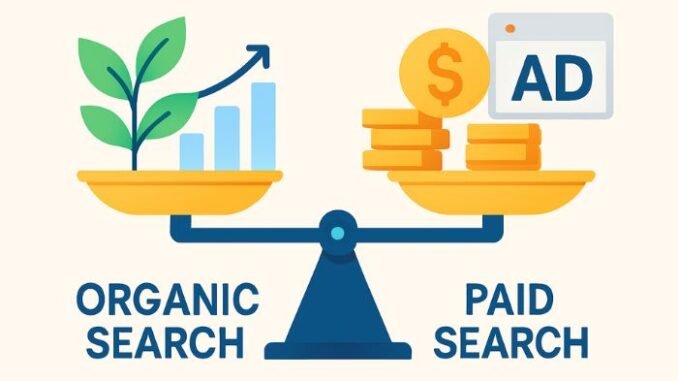
In today’s digital-first world, visibility on search engines is vital for businesses, bloggers, and brands to succeed online. Whether you’re offering services, running an e-commerce store, or building a personal blog, ranking on Google can make all the difference. This is where Paid vs Organic Search plays a crucial role. Both are powerful channels of digital marketing, but the question is: how do you find the right balance between them? To understand this better, platforms like SEOShastra often highlight strategies that help marketers maximize both approaches effectively.
What is Organic Search?
Organic search refers to the traffic you gain naturally when people discover your website through search engine results without paid promotion. With well-optimized content and strong SEO practices, your site can appear in top search results over time.
Benefits of Organic Search
- Long-term visibility and traffic without ongoing payment.
- Builds credibility and trust as users trust organic results more than ads.
- Cost-effective in the long run.
- Helps strengthen brand awareness and authority.
Limitations of Organic Search
- SEO takes time—results might take weeks or months to show.
- Algorithm updates can affect rankings unexpectedly.
- Competitive industries make it tough to reach the top spots quickly.
Organic search is all about patience, consistency, and creating high-quality, helpful content. For example, websites like Sikaami invest in well-structured content strategies to gain visibility naturally and sustainably.
What is Paid Search?
Paid search, also known as PPC (Pay-Per-Click), refers to running ads on search engines to appear at the top of search results. With platforms like Google Ads, businesses can target specific keywords and gain instant visibility.
Benefits of Paid Search
- Immediate visibility and quick results.
- Highly targeted campaigns based on demographics, location, and interests.
- Easy to scale campaigns for more leads and sales.
- Provides measurable ROI with clear tracking metrics.
Limitations of Paid Search
- Can be expensive, especially for competitive keywords.
- Stops generating leads as soon as you stop paying.
- Requires proper optimization to avoid wasted ad spend.
While paid search is perfect for quick wins and time-sensitive campaigns, it cannot replace the compounding benefits of organic SEO.
How to Balance Paid vs Organic Search
Finding a balance between Paid vs Organic Search is key to building a sustainable digital marketing strategy. Neither should completely replace the other; instead, they should work hand-in-hand.
Best Strategies to Balance Both
- Use Paid Search for Instant Results: If you’re launching a new product, paid ads can drive traffic immediately while your organic efforts pick up momentum.
- Invest in Organic for Long-Term ROI: Publish SEO-friendly blogs, optimize website pages, and build backlinks to gain sustainable visibility.
- Leverage Paid Ads for High-Competition Keywords: If ranking organically for certain keywords is tough, paid search ensures you don’t miss valuable traffic.
- Retargeting with Paid Search: Use ads to bring back visitors who’ve engaged with your organic content but didn’t convert.
- Hybrid Reporting: Measure performance together. Analyze how your paid campaigns boost organic visibility and vice versa.
Ultimately, paid search gives you speed, while organic search gives you stability. The perfect balance depends on your industry, goals, and budget.
Conclusion
Both organic and paid search hold unique strengths, and achieving success online is about finding the right mix. Organic search builds lasting authority, while paid search ensures instant reach. Businesses that blend both create a strong presence that captures short-term visibility and long-term trust.
If you’re just starting out, begin by focusing on content-driven organic SEO while using paid ads for quick wins. Over time, adjust your balance based on performance and goals.
Remember, Paid vs Organic Search is not about choosing one over the other but about creating synergy between both. For more SEO tips, strategies, and guides, keep visiting SEOShastra to stay ahead in search marketing.
FAQs
Q1. What is the main difference between organic and paid search?
Organic search is unpaid traffic that comes from SEO optimization, while paid search involves paying for visibility through ads.
Q2. Which is better: paid search or organic search?
Neither is better universally; it depends on your goals. Paid search is better for short-term campaigns, while organic search is best for long-term growth.
Q3. Can paid search improve organic ranking?
Directly, no. But running ads increases brand visibility, which can indirectly support organic clicks and brand recognition.
Leave a Reply